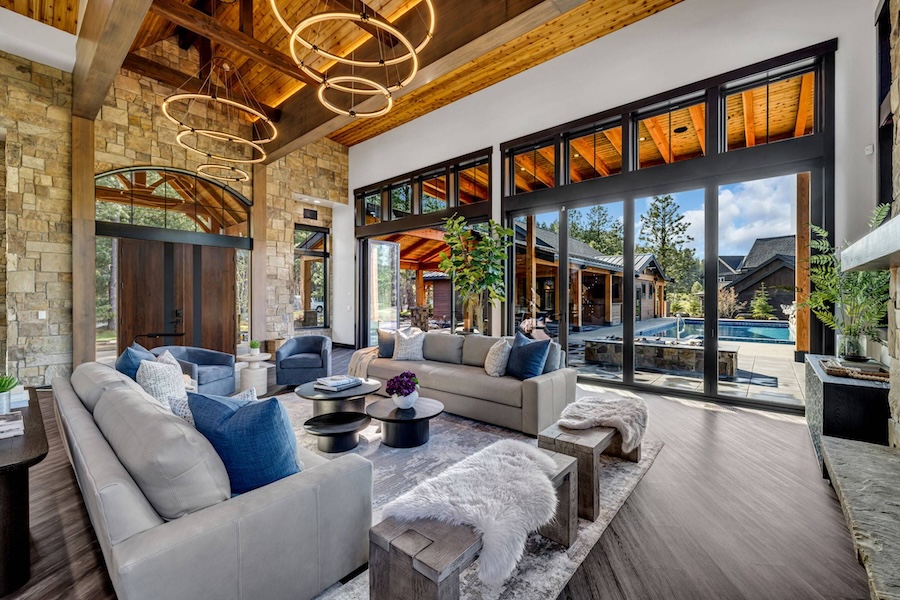
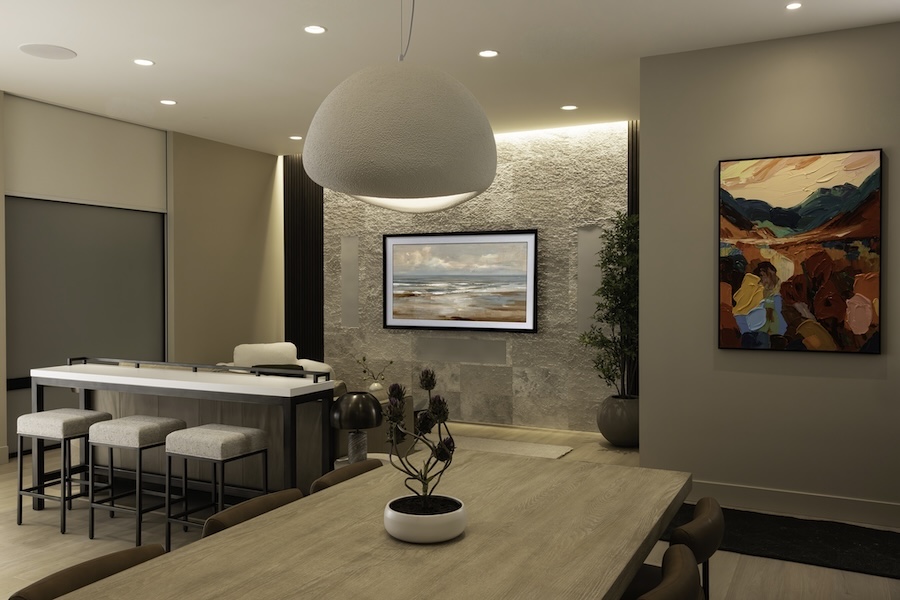
Lighting and Shade Automation Belongs in the Electrical Scope, Not Post-Move-in
Every fall, the clocks change, and the light in a home changes with them. Mornings are darker, evenings come earlier, and rooms that felt bright all summer suddenly dim by five o'clock. For a homeowner without automated lighting and shades, that's just an inconvenience they live with.
For a builder or developer, it's often the trigger for an unwanted call asking: "Can we add motorized shades?" or "Can I still wire the lights so they adjust on their own?" The worst part of these calls? They're coming in three months after the punch list closes.
Those requests are avoidable, but need to be solved before the walls are finished, not after. Keep reading to learn more.
SEE ALSO: Smart Lighting Boosts Mood and Productivity in the PNW
What Does a Late Request Cost?
Change orders tied to adding extensive automation later are rarely simple add-ons. Fully wired shades and integrated lighting scenes need infrastructure that includes low-voltage runs, control locations, and panel capacity.
That's all far less expensive to plan into the electrical scope than to retrofit through finished drywall. When a homeowner asks for it after move-in, the builder must handle opening walls, coordinate with a second contractor, and explain a delay that didn't need to happen. Provident Electric treats the fall light shift as a standard planning conversation rather than a specialty upsell, so it's already accounted for before framing begins.
Design for the Experience, Not the Specs
Not every project calls for the same tier of automation, and builders shouldn't have to sell homeowners on one option. Hunter Douglas offers manual shades for a straightforward, budget-friendly spec; battery-powered shades when running new wiring isn't practical; and fully wired shades that integrate with the lighting system for one-touch, whole-home scenes. Provident designs the right mix for the project's budget and buyer profile, so the decision is made once, early in the project.
Bringing Architects and Designers Into the Plan Early
Lighting and shade automation touches window placement, ceiling detail, and room layout, which means the earlier an architect or designer is looped in, the cleaner the outcome. Provident coordinates directly with the design team during planning, so that shift is already built into the construction documents alongside the rest of the electrical drawings, rather than squeezed in as a late addition once finishes are already selected.
We're Your One Partner for Electrical and Technology, Standardized Across Projects
For builders and developers working on multiple homes a year, consistency matters as much as capability. Provident functions as a single accountable partner for both electrical and low-voltage work, which means the same approach can be standardized across a portfolio instead of resolved project by project. With fewer trades to coordinate, there are fewer places for a schedule to slip.
If you're mapping out the wiring plan for a build and want lighting or shading handled at the design stage instead of the punch-list stage, we're ready to talk it through. Contact our team to set up a pre-construction planning session.